
Orwellian and Huxleyan Threats of Technology

Orwellian and Huxleyan Threats of Technology
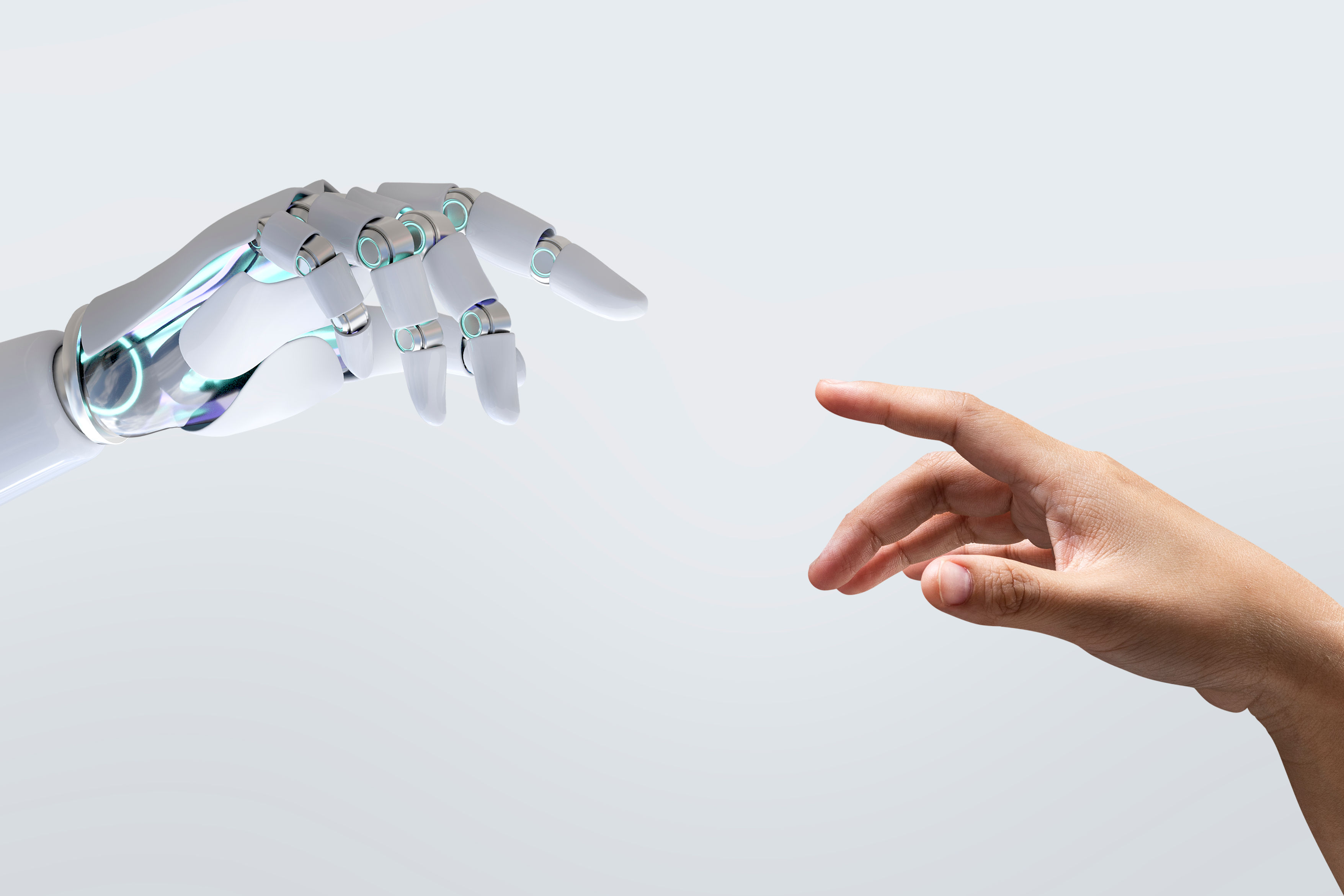
It is clear that technological advancement, including Artificial Intelligence, has brought countless benefits to humanity. However, while some optimists claim that technology will ultimately lead the world into a utopian future of peace, joy, and a life free of suffering, many studies warn us that technology also carries serious negative aspects that may drive us toward destruction. Especially with Artificial Intelligence, while there is hope for a better life, experts have begun to argue that its potential side effects could be more destructive than nuclear weapons. For example, in 2014, more than 8,000 prominent scientists and professionals from various fields, including Stephen Hawking and Noam Chomsky, signed a letter expressing their shared concerns.
Still, debates around Artificial Intelligence continue even among the most renowned experts. For instance, Bill Gates and Mark Zuckerberg insist that its benefits will outweigh the harms, while Elon Musk warns, “Artificial Intelligence is like summoning the demon.” Among the many negative consequences discussed, the most frequently mentioned is the existential threat it poses to humanity and the survival of our planet. These include weapons that could potentially wipe out the entire world, irreversible damage to ecosystems and the environment, and the fear that Artificial General Intelligence (AGI) could fully replace human beings.
In this text, we focus on a dimension of technological threats that is often overlooked—the way technology creates negative impacts on people’s social and political lives, potentially leading to destruction. These dangers are commonly categorized into two major types known as Orwellian and Huxleyan threats. The concepts were first introduced in the famous works of Aldous Huxley (Brave New World, 1932) and George Orwell (1984, 1949). Later, American author Neil Postman analyzed them thoroughly in his 1985 book Amusing Ourselves to Death.
Orwell’s novel is not directly about technology, yet the ideas it presents—such as a society living under strict surveillance and controlled by a totalitarian state—are increasingly tied to modern technological threats. In 1984, Orwell describes a country called Oceania, where the government subjects its citizens to extreme surveillance, controls history, language, truth, and information, and manipulates them while tracking every movement, stripping them of freedom. This idea—that technology empowers governments and powerful elites to control human life, leading to an era of suffocating oppression—has become a real concern. The fear is that, through technological control of information, censorship of books, and suppression of truth, the kind of “Big Brother” world described by Orwell may no longer be far away.
The rapid spread of surveillance technologies, advanced security cameras, drones, AI-assisted monitoring systems, tools that track facial expressions and body language to read human emotions and thoughts, biometric identification through eyes and fingerprints, and the harvesting of personal data all reinforce this concern. Many argue that Orwell’s Oceania and its all-controlling “Big Brother” are no longer distant possibilities, but are approaching reality.
On the other hand, Huxley’s Brave New World is more directly connected to technology. While it also depicts a dystopia, the danger it presents is different: unlike Orwell’s world of fear, coercion, and oppression, Huxley envisions a society where people willingly embrace their enslavement through comfort, entertainment, and pleasure offered by technology. In Huxley’s “World State,” people are so captivated by technological pleasures that they no longer care for freedom, social or political issues, or even the pursuit of truth. They become passive and indifferent. In this society, babies are not born from mothers’ wombs but are artificially produced in laboratories, pre-conditioned with a fixed identity and social status. Sexual relations are trivial and casual, and everyone belongs to everyone else. People are drugged and distracted by entertainment, losing their individuality and critical thinking, without even realizing they are enslaved.
Today, Huxley’s warning also resonates strongly:
- The rise of addictive social media platforms and entertainment content that focus on instant gratification.
- The decline of people’s attention to important issues, replaced by trivial distractions.
- Emotional bonds forming between humans and AI systems, treating machines as close friends or advisors.
- Virtual realities and games that increasingly pull people away from real-life challenges into imaginary worlds.
- Technological alternatives to traditional marriage and intimacy, even to the extent of AI companions.
So, what do you think? Which of these visions—Orwell’s or Huxley’s—do you believe our future will resemble? Or do you see another scenario altogether? Share your thoughts in the comments section.
Bibliography
- Huxley, A. (1932). Brave New World. London: Chatto & Windus.
- Orwell, G. (1949). 1984. London: Secker & Warburg.
- Postman, N. (1985). Amusing Ourselves to Death: Public Discourse in the Age of Show Business. New York: Viking Penguin.
- Lennox, J. C. (2020). 2084: Artificial Intelligence and the Future of Humanity. Grand Rapids, MI: Zondervan.
- Washington Post (2014). Elon Musk: ‘With artificial intelligence we are summoning the demon.’ (24 October 2014)
- Jasmin B. Cowin, Birgit Oberer, Cristo Leon (2023). A Brave New World: AI as a Nascent Regime?
Discussion
Share your thoughts or questions about this insight.
No comments yet. Be the first to respond.
Related Insights

Macrovian Technology Signed Strategic Partnership with LakiPay Financial Technologies
Macrovian Technology has signed a strategic partnership with LakiPay Financial Technologies to accelerate the adoption of digital payments and financial services in the region.
ዕበየ ሰብእነት (Transhumanism)፡ ክፍል ኹለት (፪) ታሪካዊ ዳራ
በዚህ ጽሑፍ የዕበየ ሰብእነት (Transhumanism) ታሪካዊ ዳራ እና አመጣጥ በስፋት ተዳሷል።
ዕበየ ሰብእነት (Transhumanism)፡ ክፍል አንድ (፩) የጽንሰ ዐሳብ ትርጓሜ
በዚህ ጽሑፍ የዕበየ ሰብእነት (Transhumanism) ጽንሰ ዐሳብ ምንነት እና ትርጉም በስፋት ተዳሷል።